AlohaMini embodied intelligent education solution#
1. Course introduction#
(1) Introduction to AlohaMini#
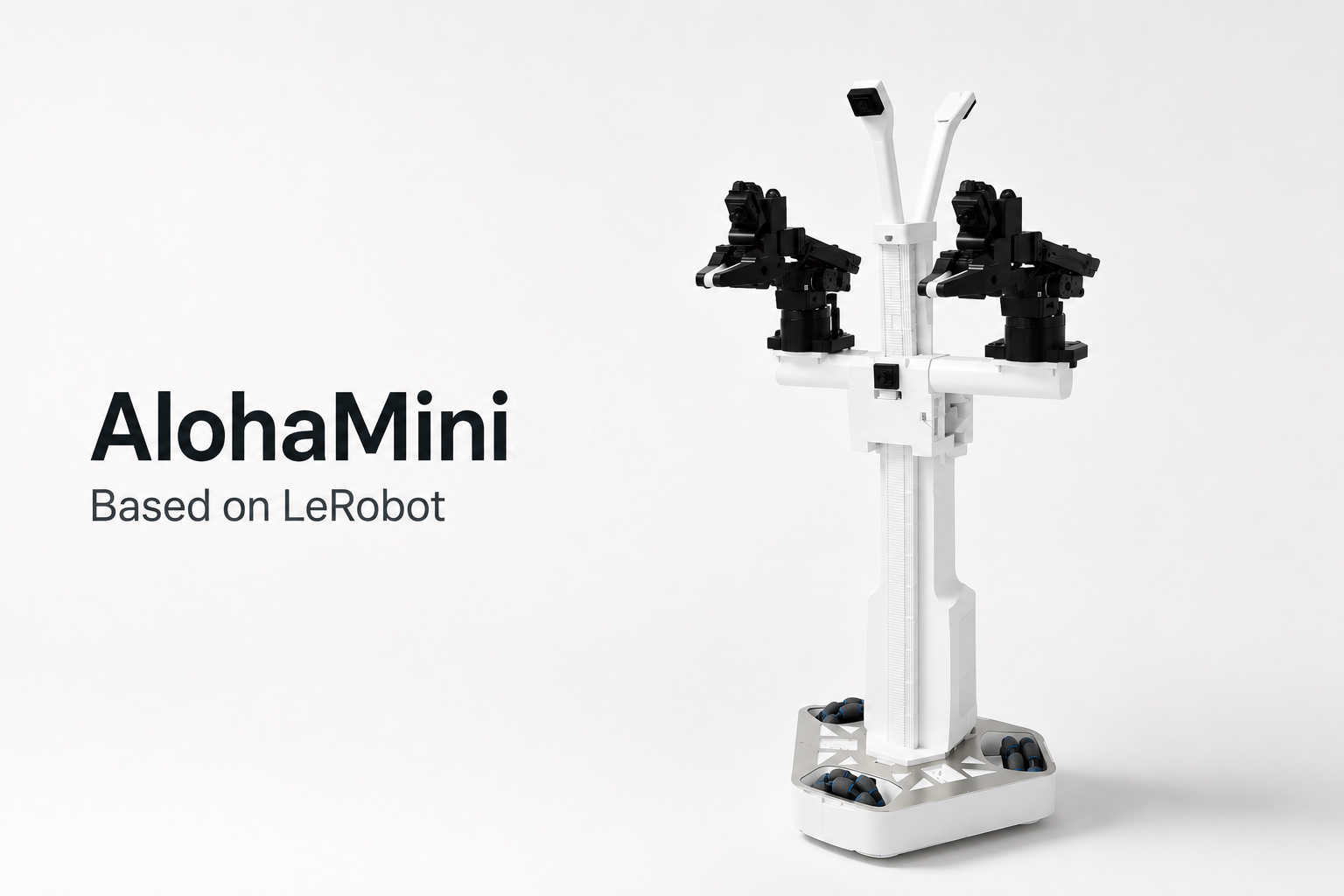
AlohaMini is a mobile two-arm robot for embodied intelligent learning.
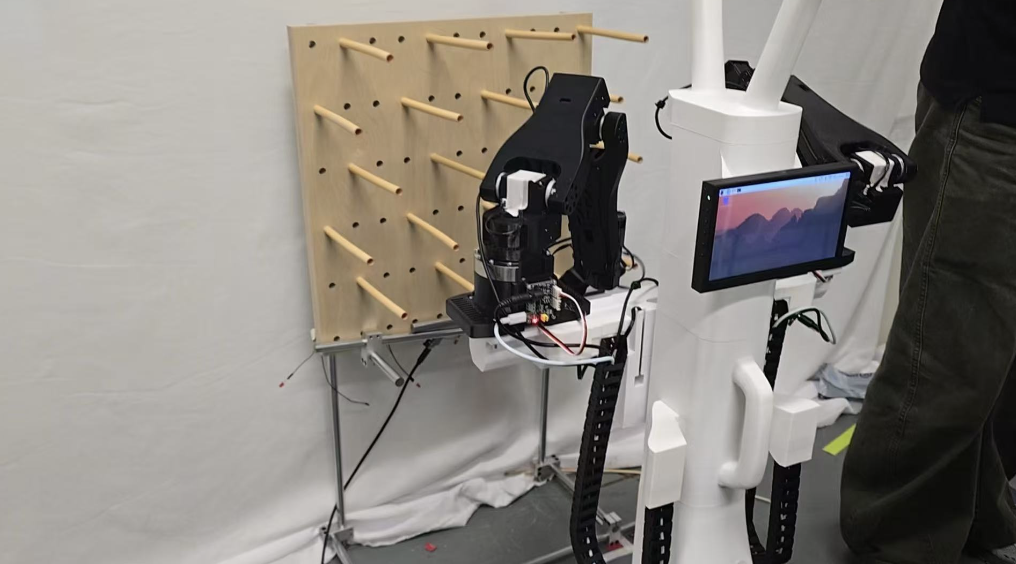
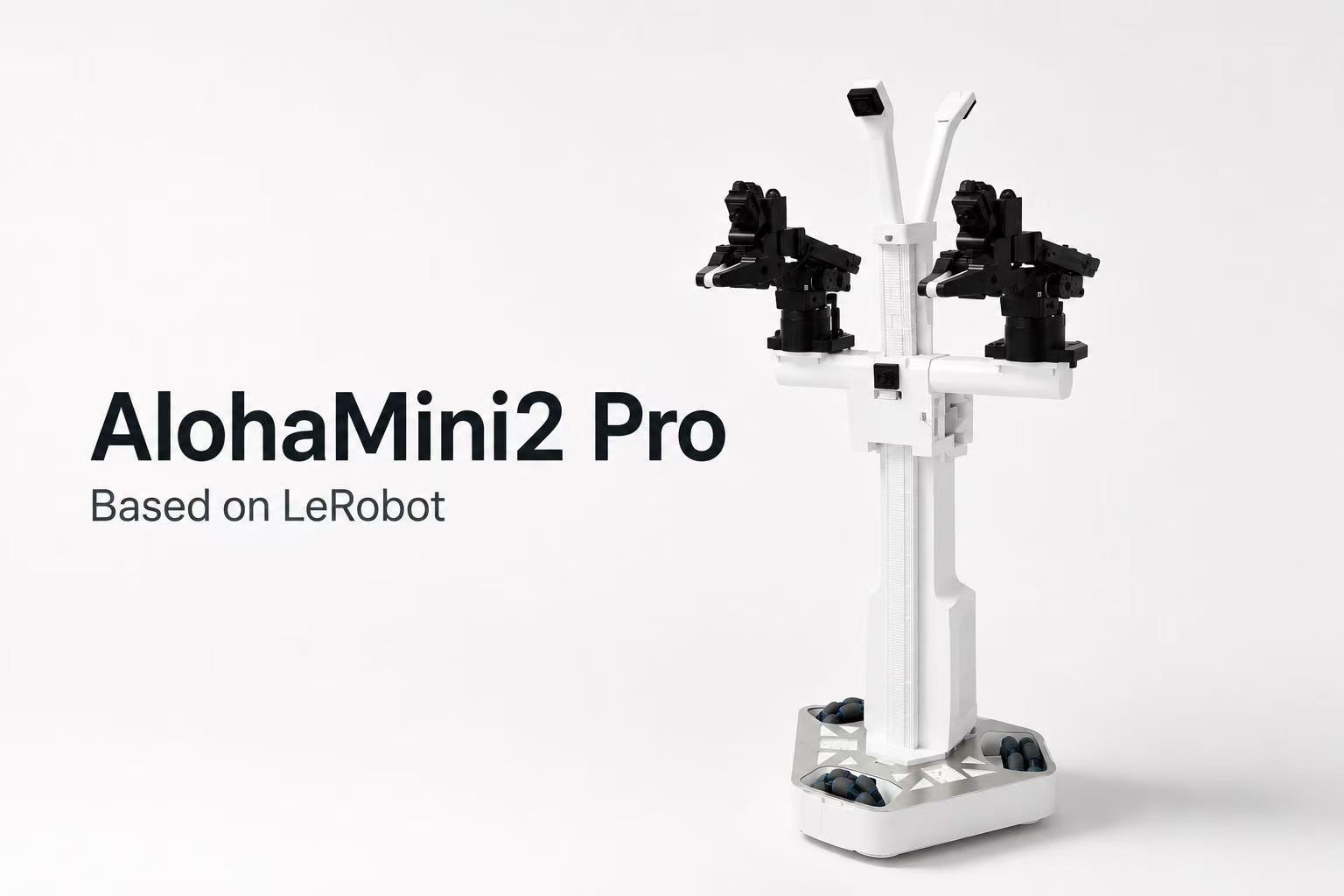
hardware advantages: integrates an omnidirectional mobile chassis, an electric lifting module and a 6+1 degree of freedom aloha robotic arm. It can be adapted to a variety of unstructured practical tasks such as low-level ground picking, desktop operation, and long-arm trajectory coordination, and has strong scene coverage capabilities.
full-stack ecological adaptation: is deeply compatible with the Hugging Face LeRobot v0.6 open source framework, opening up the entire link of teleoperation data set collection, model training, and local inference deployment; the communication link is targeted for high-frequency optimization, and natively supports the reproduction and fine-tuning of mainstream embodied algorithms:
imitation learning: ACT, Diffusion Policy, FastWAM
VLA body model: Pi-0.5, SmolVLA, EO-1, VLA-JEPA, GR00T N1.7, EVO1
(2) Course Introduction#
AlohaMini provides a complete embodied intelligent education solution that integrates robotic equipment, supporting courses, teaching support, event training and corporate research to help schools carry out teaching from entry-level experience to advanced practice.
Students can assemble and operate robots with their own hands, and gradually learn how to let robots complete real tasks such as grabbing and handling through action demonstration, data collection and model training. They can understand artificial intelligence in practice and develop hands-on skills and teamwork skills.
(3) Relevant qualifications and implementation cases#
3.1 The first National Youth Artificial Intelligence Competition (whitelist event) competition machine#
Basic information about the event#
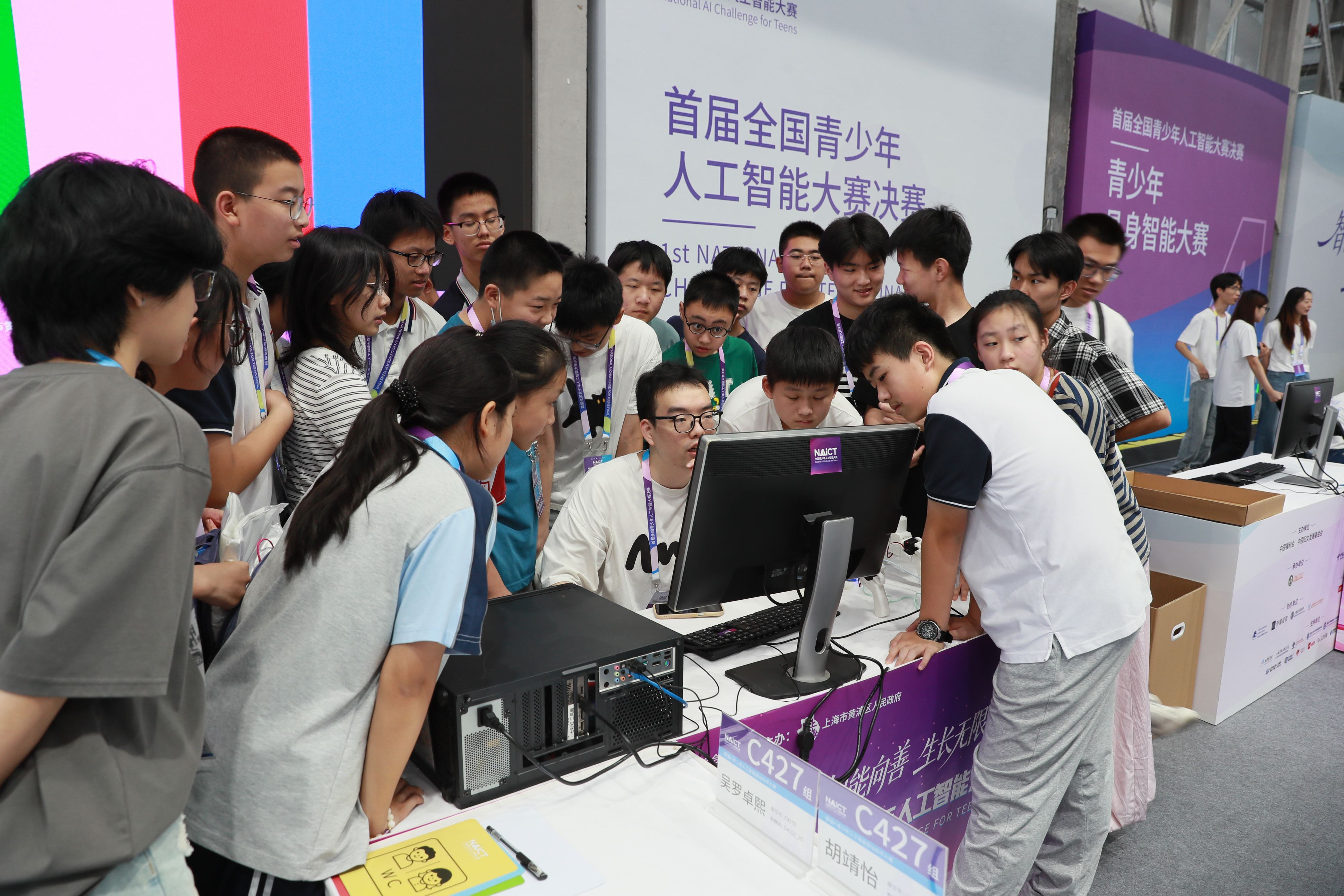
From 2026.8.1 to 2026.8.3, the opening ceremony of the finals of the first National Youth Artificial Intelligence Competition was successfully held at the Binjiang Litan Cultural Center in Huangpu, Shanghai. This competition was hosted by the China Welfare Institute and the China Women’s Development Foundation, co-sponsored by the Huangpu District People’s Government, and hosted by the China Welfare Institute Children’s Palace. It is a whitelist event of the Ministry of Education.
After the competition, many Shanghai schools have decided to purchase Aloha Mini. Hainan, Hubei, Hunan, Henan, Anhui, Guizhou, Chongqing, Jilin and other places are promoting equipment procurement and related training implementation.
Official website link: National Youth Artificial Intelligence Competition
Baidu Encyclopedia entry: https://baike.baidu.com/item/%E5%85%A8%E5%9B%BD%E9%9D%92%E5%B0%91%E5%B9%B4%E4%BA%BA%E5%B7%A5%E6%99%BA%E8%83%BD%E5%A4%A7%E8%B5%9B/67355476
Project |
Content |
|---|---|
Organizer |
China Welfare Institute, China Women’s Development Foundation |
Co-sponsored |
Huangpu District People’s Government |
Organizer |
China Welfare Association Children’s Palace |
Event attributes |
Ministry of Education 2025-2028 school year whitelist competition, public welfare competition, free registration fee |
The first national finals time |
August 1, 2026 |
National Finals Location |
Shanghai Huangpu Riverside·Litan Cultural Center |
Aloha Mini Track |
Embodied smart track |
Competition format |
Limited time offline practical operation to complete dynamic robot tasks |
Competition materials can be used as one of the proofs of students’ scientific and technological practice experience; whether it will be included in the comprehensive quality evaluation and identification method shall be subject to the regulations of the local education department and school for the year.
❗If you want to learn more about the event details, participation ability requirements, preliminary and final questions, competition rules, award setting and promotion mechanism, please read this document National Youth Artificial Intelligence Competition (contest details)
AlohaMini event application status#
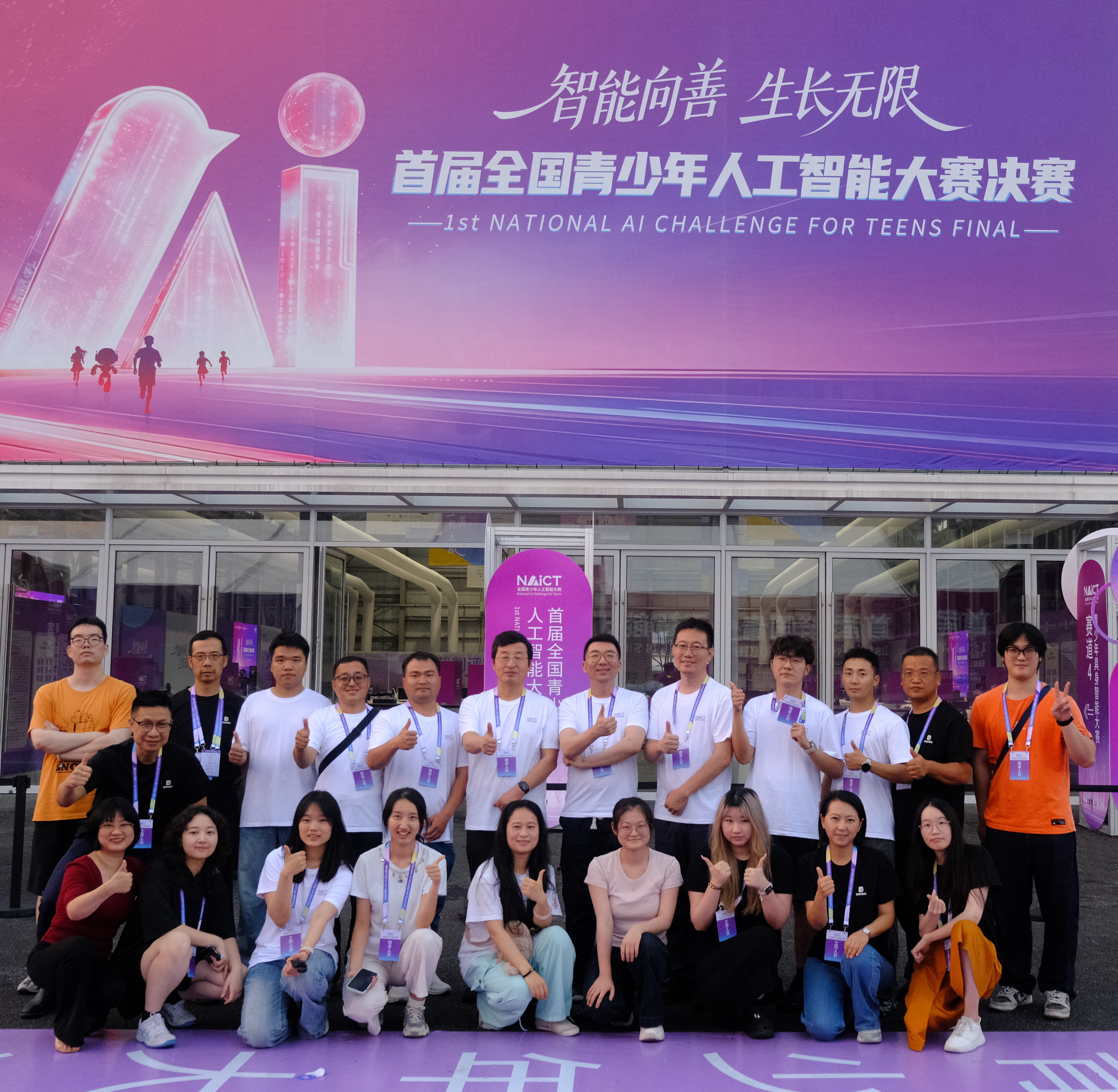
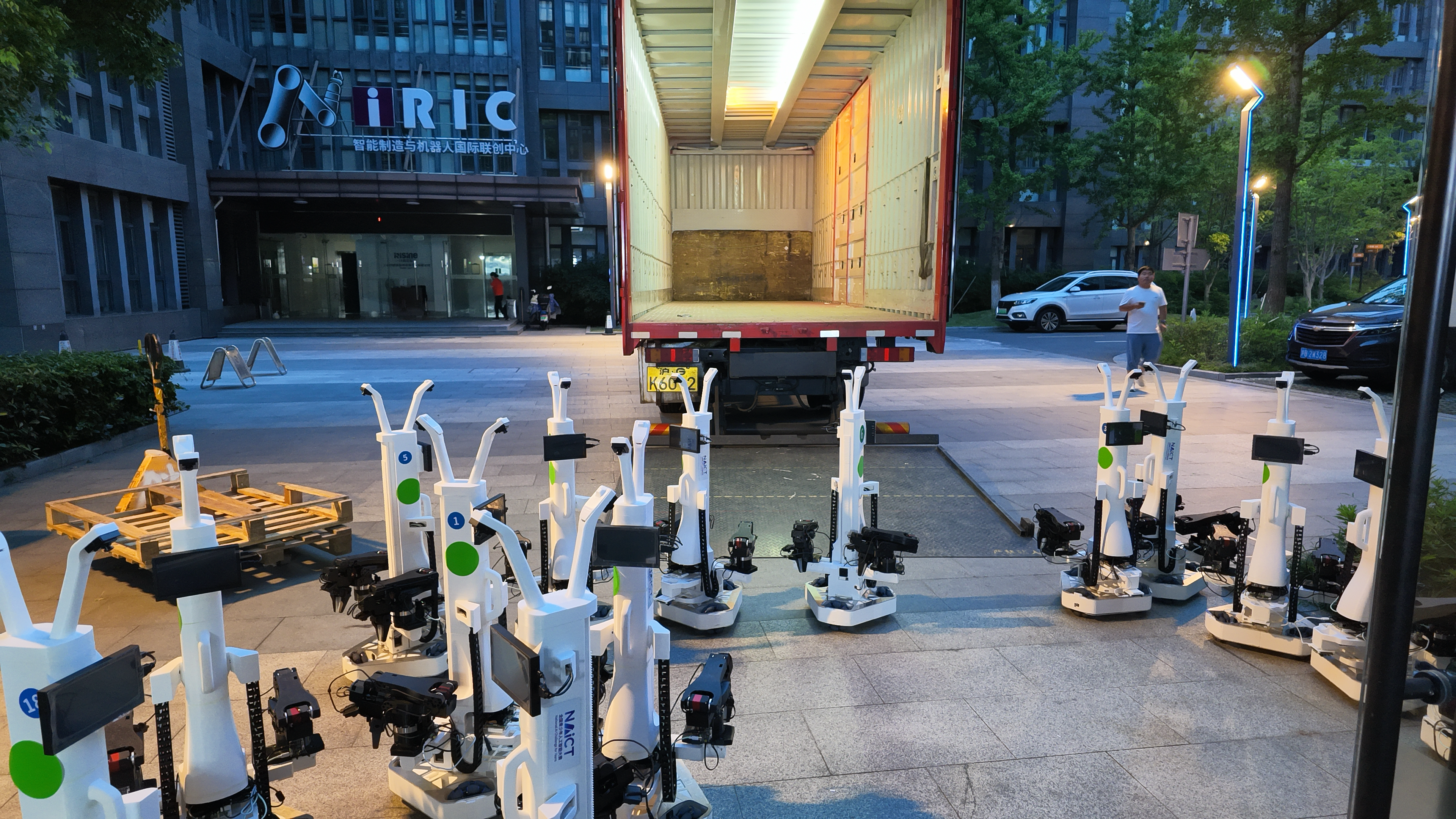
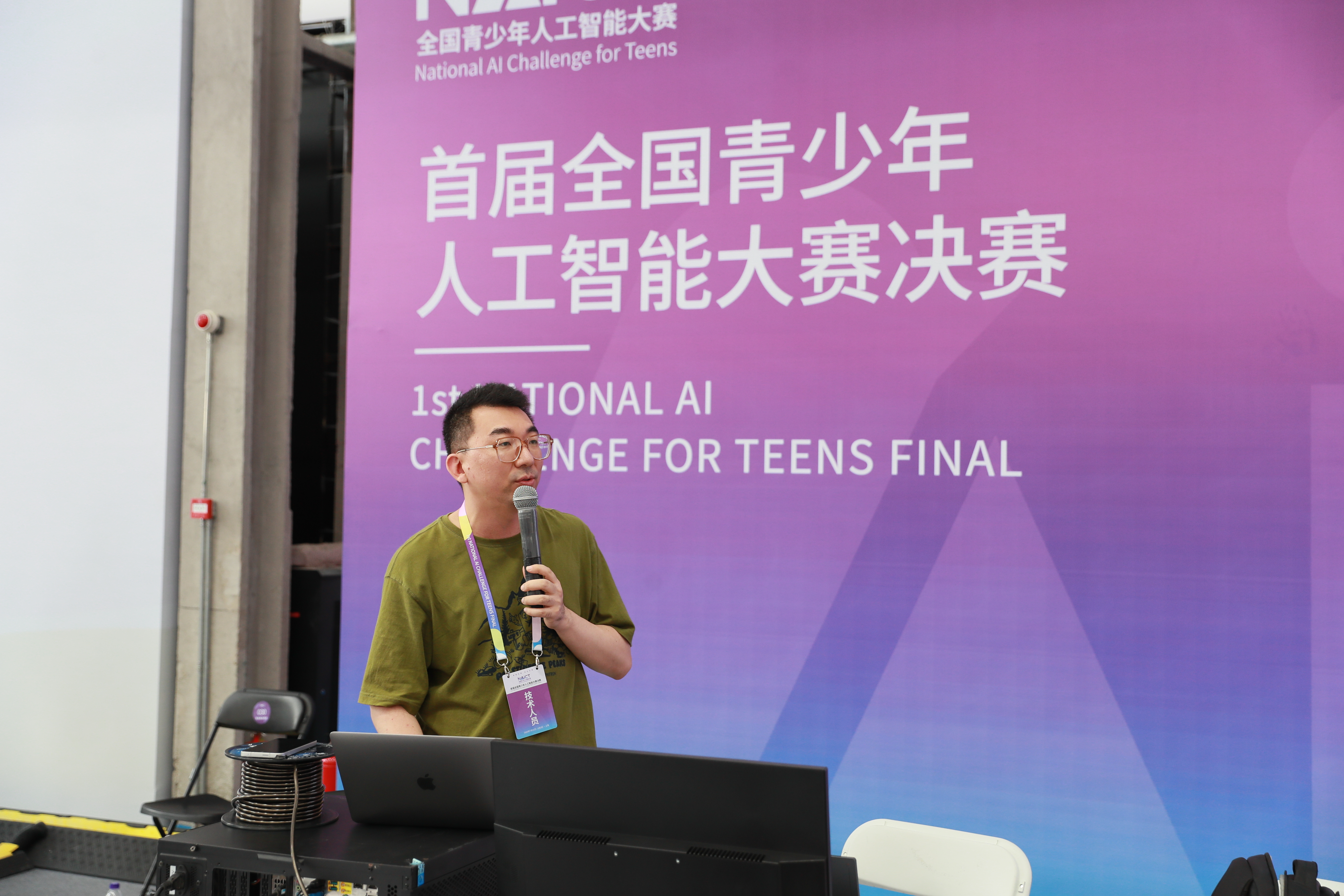
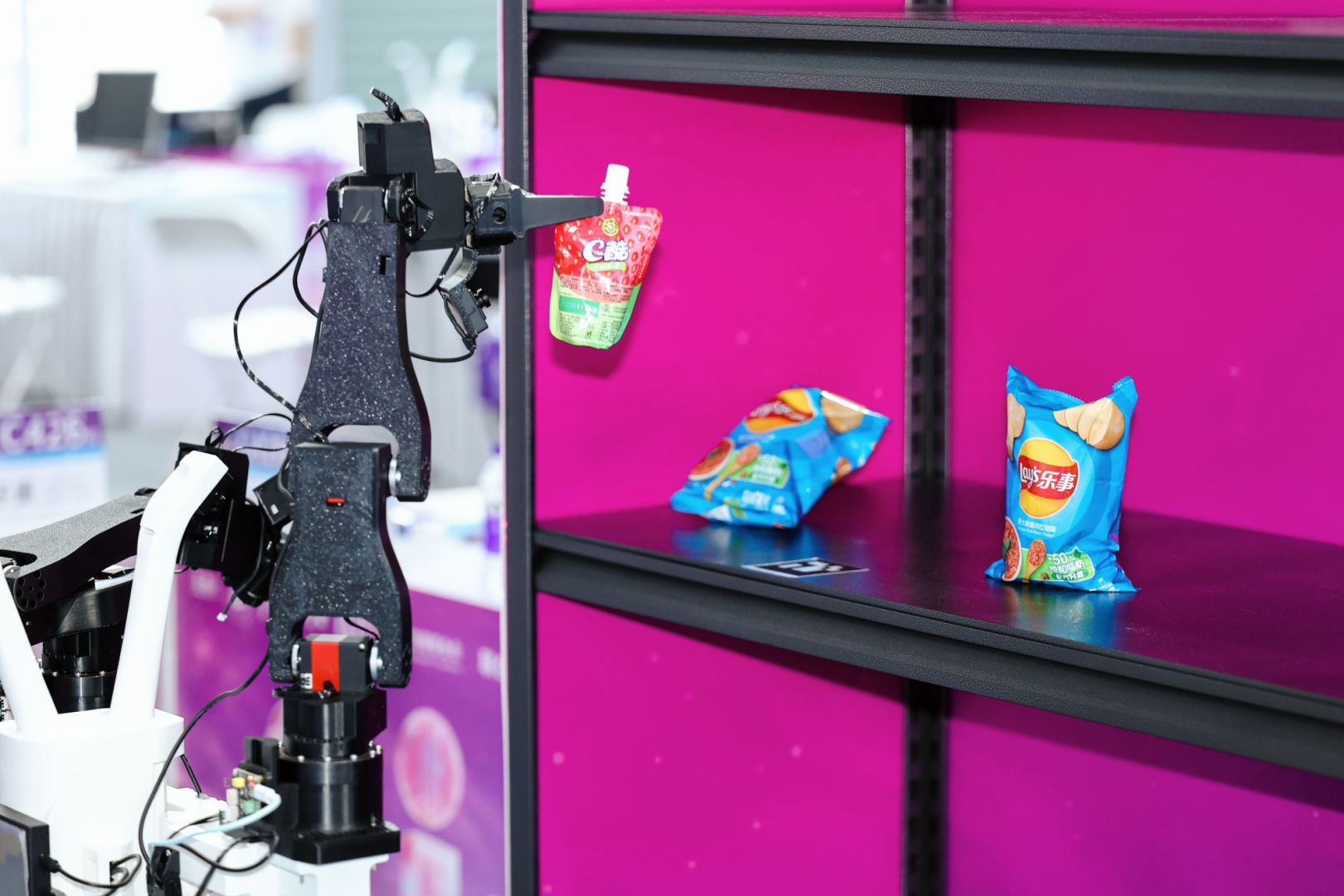
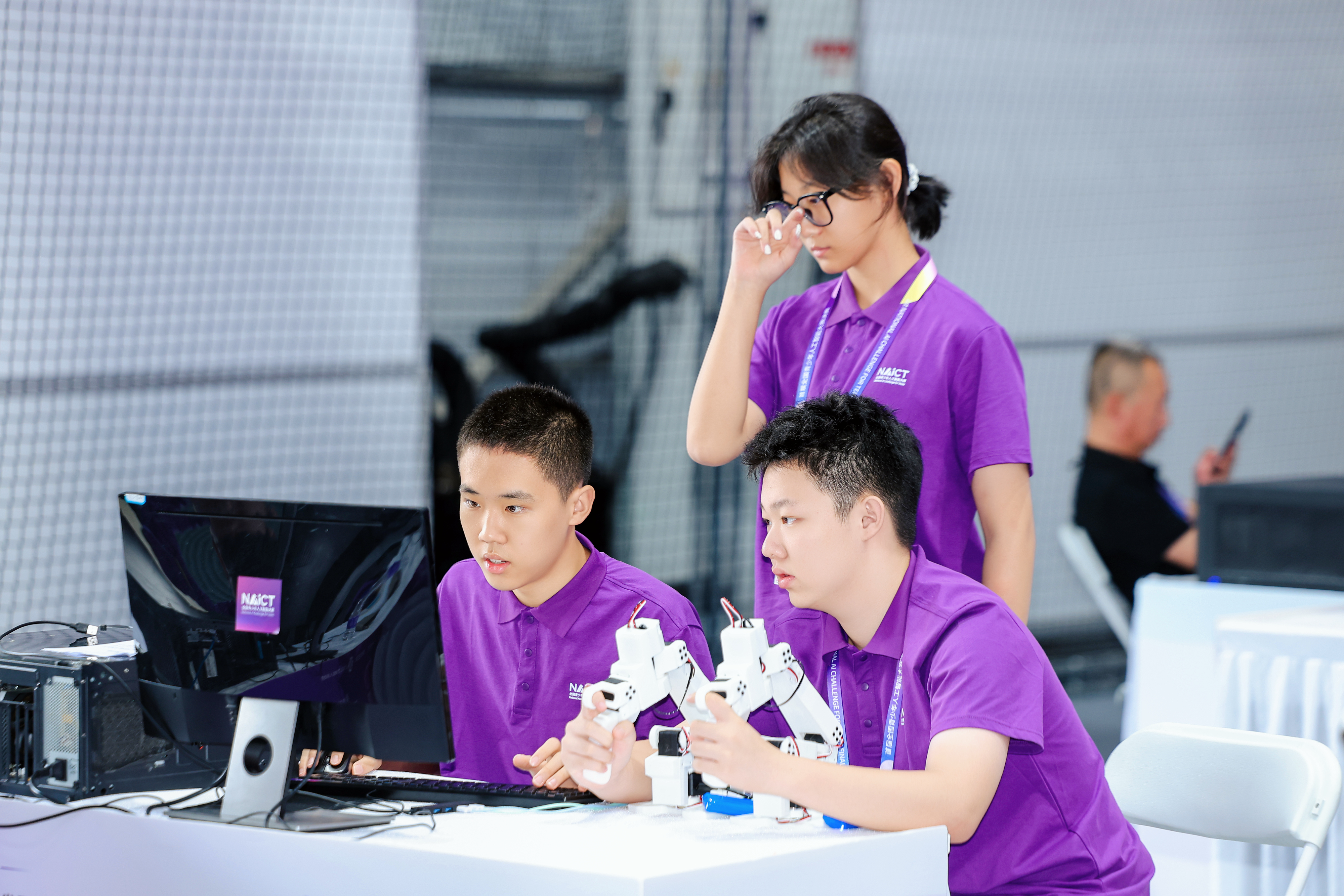
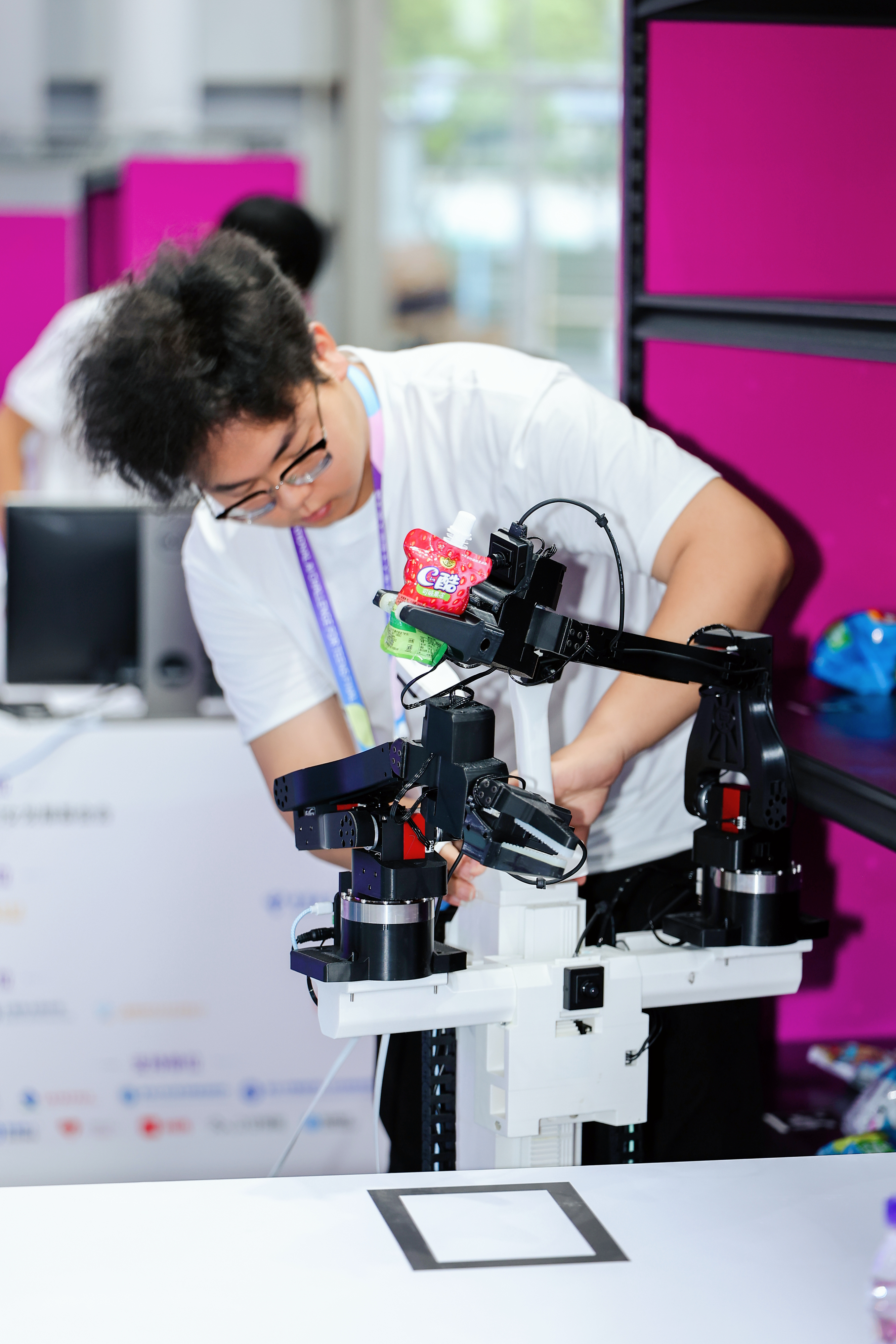
30 Aloha Minis were used for the embodied intelligent track competition in the national finals of the first National Youth Artificial Intelligence Competition. Members of the Aloha Mini team went to the competition site to provide official technical support.
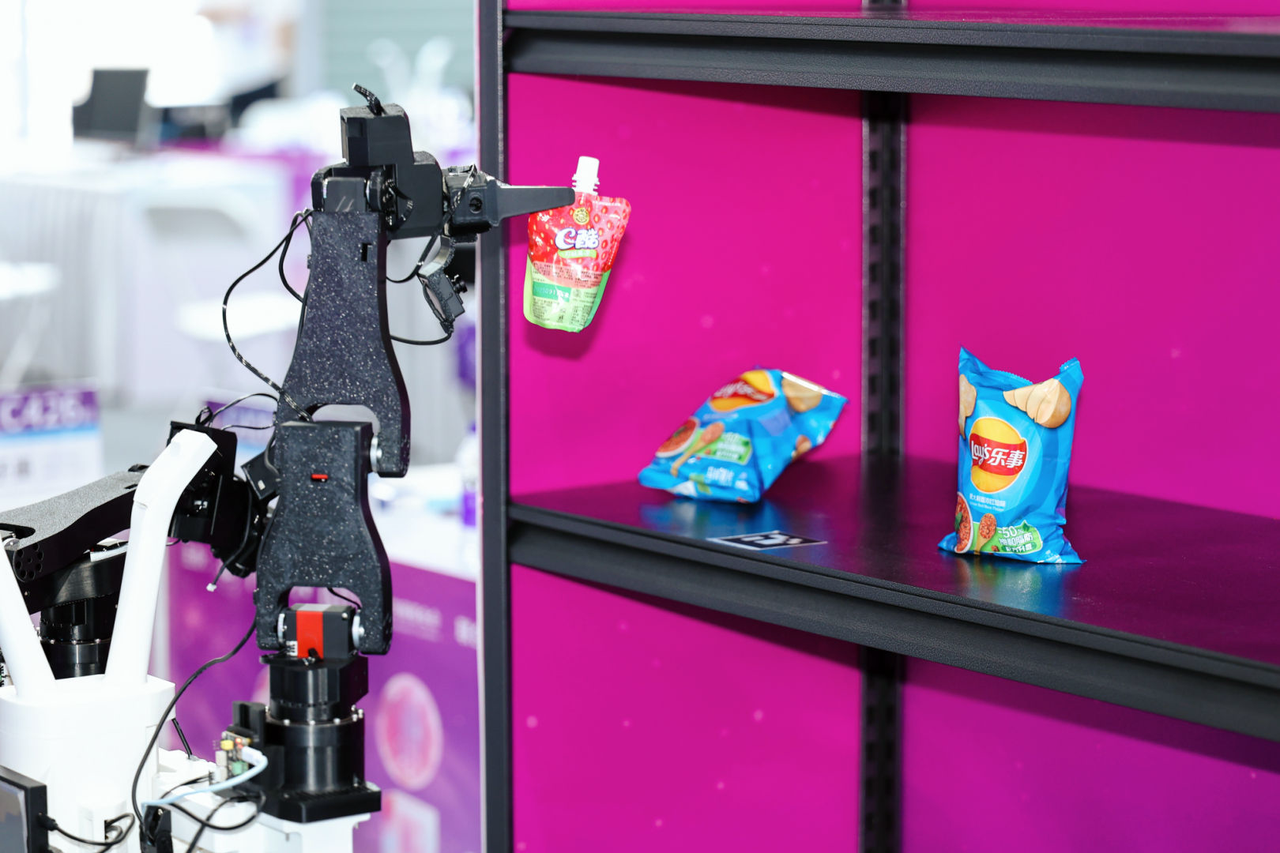
In the final “Smart Supermarket” task, the participating students used AlohaMini to complete the on-site embodied intelligence task challenge, that is, to operate and train the AlohaMini robot to avoid obstacles, walk to the supermarket shelves, grab items and put them in the designated checkout area.
AlohaMini has signed a three-year equipment warranty and service guarantee agreement with the event organizer.
Mainstream media reports:
Check out the news: https://weixin.qq.com/sph/AIlVC9uIR4
Magic City Eye: https://weixin.qq.com/sph/A7tfR5yqZ2
Related pictures and competition videos:
Tournament promotion path#
Provincial preliminary round: April-May
Organized by each province.
In principle, the school will register uniformly, and direct registration from individual students will not be accepted.
Students need to participate in the selection and competition on the basis of their school or relevant organization.
Advance to the national finals
The first prize team in the preliminary round is qualified to advance to the national finals.
In the embodied intelligence track, the top 90% of the first prize teams in the preliminary round will qualify for the national finals.
The organizing committee reserves a small number of co-ordinating quotas, and the details will be subject to the event notice of the current year.
National Finals: July-August
The offline national finals will be held in Shanghai.
Participating teams must complete on-site robot tasks within the specified time and receive evaluation of task results and on-site performance.
Participating categories and ability requirements#
Category |
Competency requirements |
Course training focus |
|---|---|---|
Junior high school group |
You can enter if you have basic Python knowledge, basic concepts of robot sensors and basic operation capabilities. |
Robot structure, teleoperation, task dismantling, basic programming |
High school group |
Higher requirements for programming, algorithm understanding, system integration and on-site debugging capabilities |
Mission policy, algorithm understanding, system debugging, stability optimization |
The embodied intelligence track is one of the most difficult tracks in the National Youth Artificial Intelligence Competition.
It does not focus on submitting PPT or simply completing project defenses, but requires students to complete realistic tasks within a limited time on a real robot platform. Therefore, it puts forward higher requirements for task understanding, on-site operations, team collaboration and on-site debugging capabilities.
Connection with AlohaMini course#
AlohaMini courses can provide long-term training around the core competencies of the embodied intelligence track:
Regular classes in spring, autumn, winter and summer vacations complete knowledge recognition and technical practice of embodied intelligence, etc. Children can actually use robots to reproduce final competition questions.
In the preliminary stage, the understanding of competition questions, robot operation, task stability and teamwork are strengthened.
In the final stage, time-limited task training, on-site debugging and simulated competition training will be carried out.
Senior primary school students mainly focus on interest enlightenment and ability reserve. After entering junior high school, they can naturally connect to competition courses.
3.2 Rural education in primary and secondary schools#
Public account tweet: https://mp.weixin.qq.com/s/qFJlmK-urRpj9i8Tm1JKQg
Wangzhigang AI Creation Camp, Baoying County, Jiangsu Province#
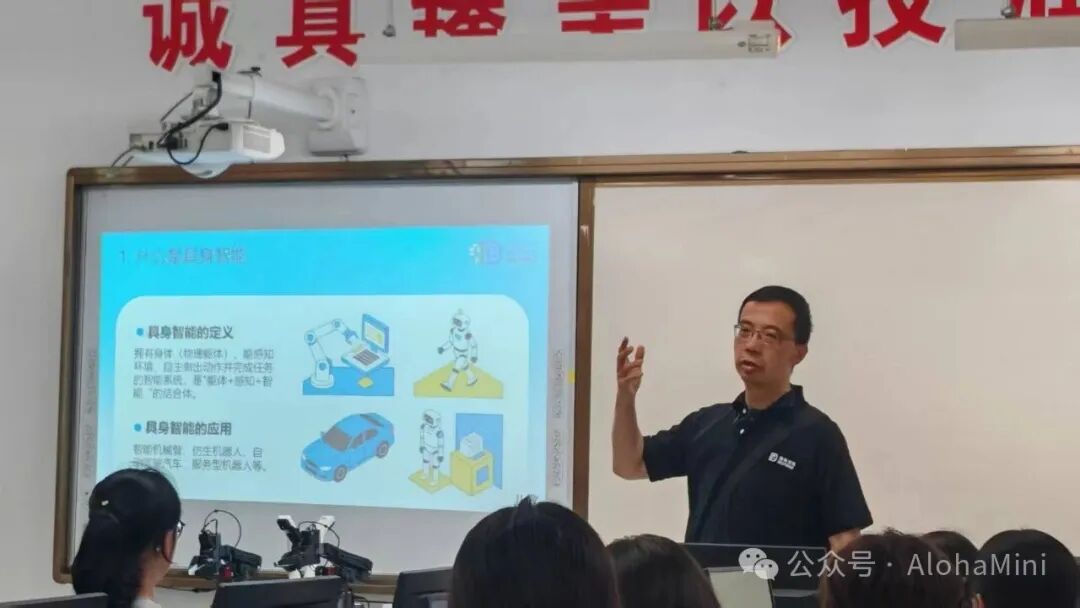
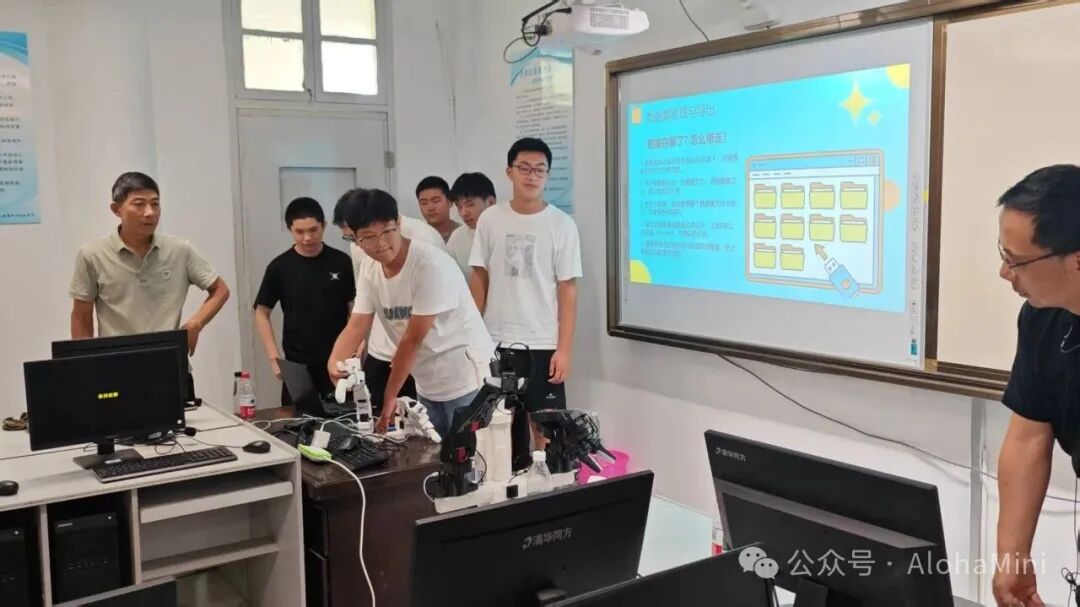
The “Summer AI Creative Camp for Rural Students” sponsored by relevant provincial departments was held at the Wangzhigang Town Central Primary School and Wangzhigang Town Central Junior High School in Baoying County.
The course breaks away from the traditional theoretical teaching model and devotes more time to observation, interaction and practice.
Students operate Aloha Mini with their own hands, observing how the robot receives instructions, perceives the environment and completes specific tasks, and understands that artificial intelligence not only exists in computers and mobile phones, but can also have a “body”, enter the real world and interact with the environment.
Embodied Intelligence Experience Course in Yintu Town, Jinhu County, Jiangsu Province#
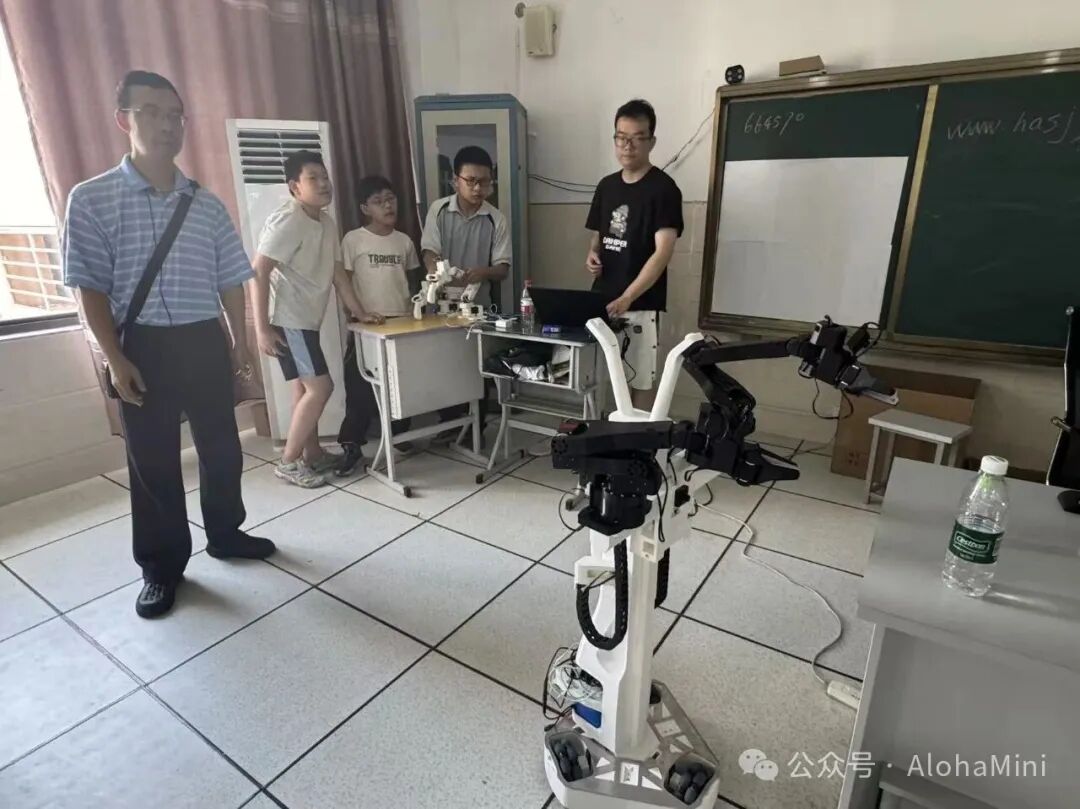
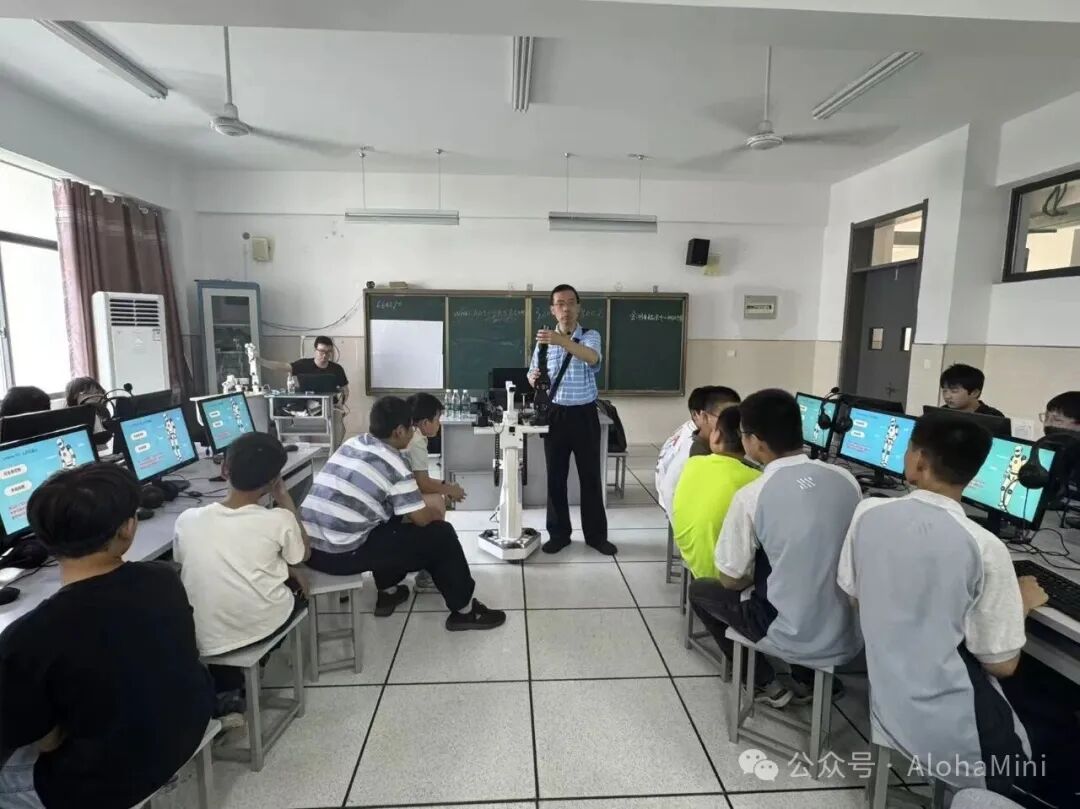
The Yintu Town Central Primary School and Yintu Town Central Junior High School in Jinhu County have successively opened embodied intelligence experience courses.
Aloha Mini enters primary and secondary classrooms to help students understand how robots “see” the environment, understand instructions, and transform algorithms into real actions. During task challenges and interactive experiences, students build an intuitive understanding of artificial intelligence and robotics.
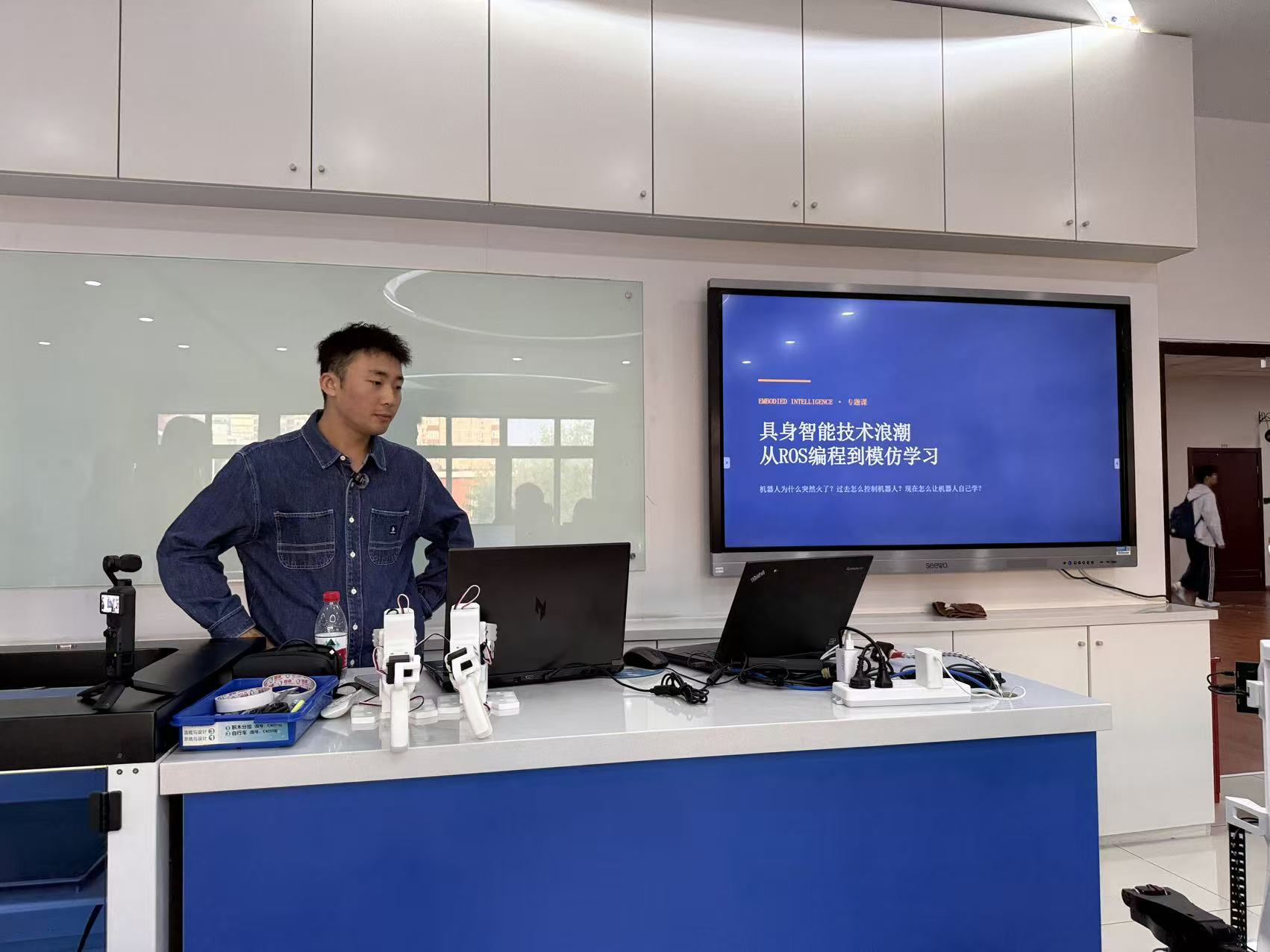
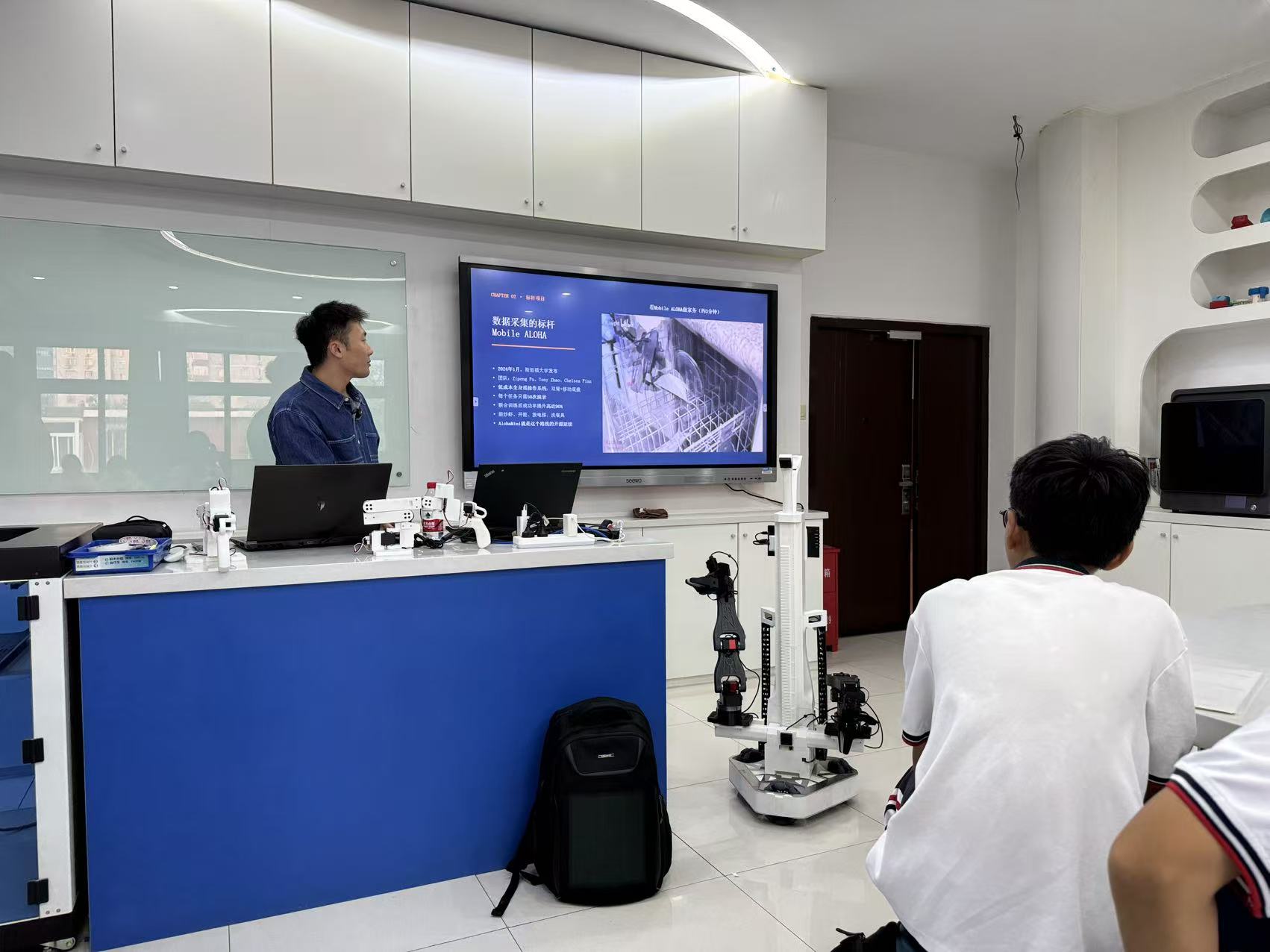
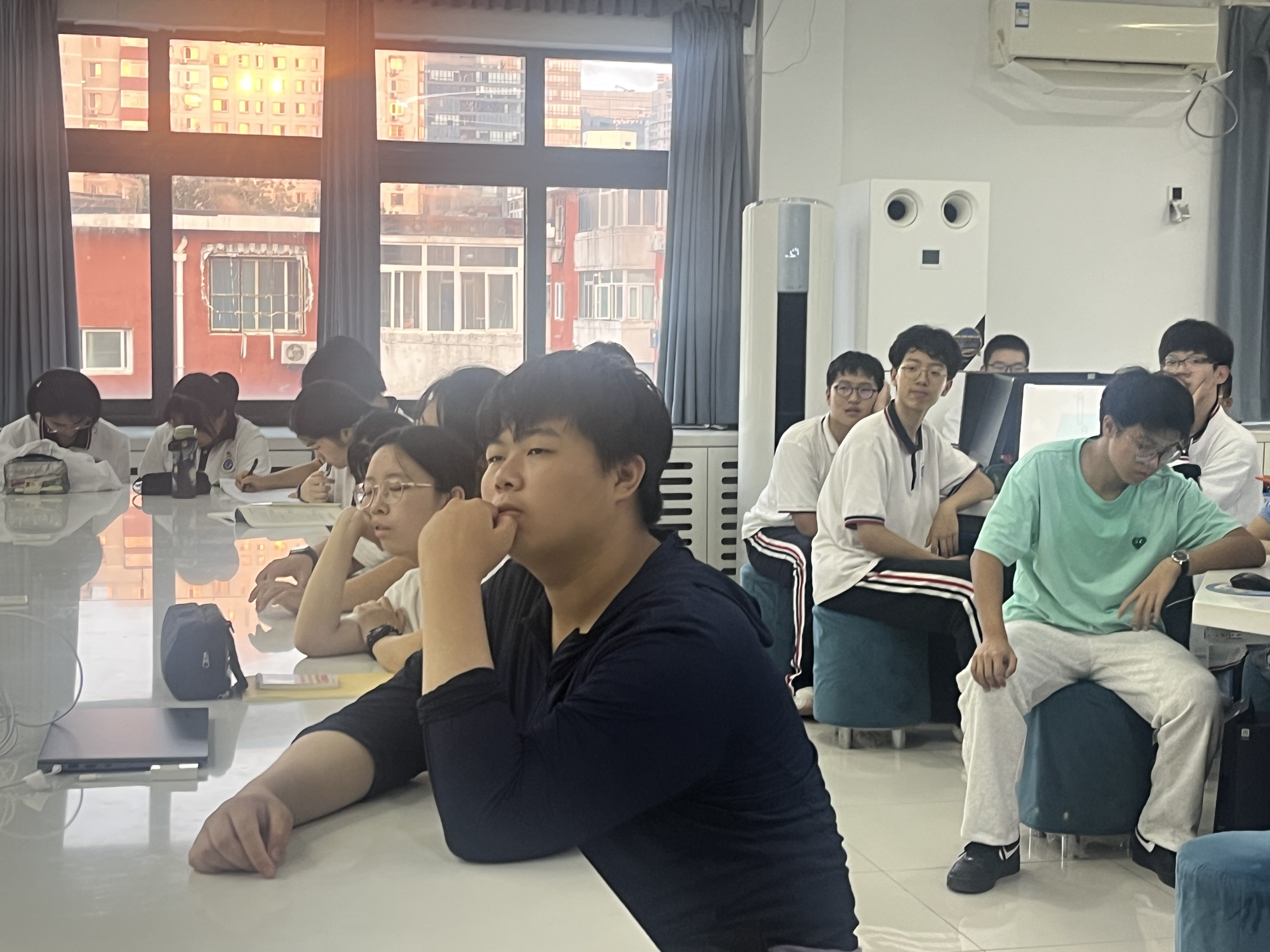
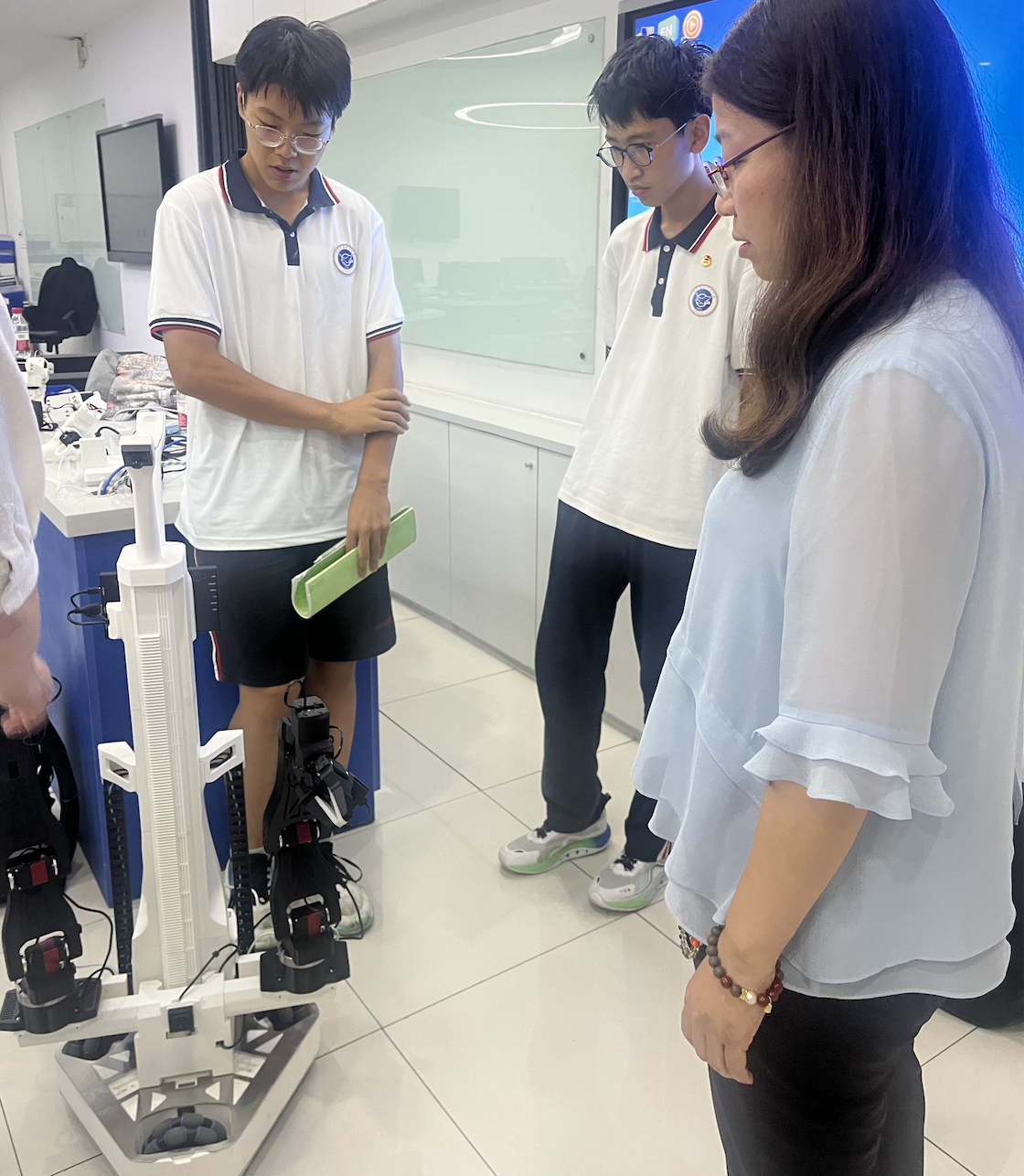
3.3 Club courses of Beijing Chen Jinglun Middle School#
AlohaMini has now reached curriculum cooperation with Beijing Chen Jinglun Middle School (a key high school in Beijing and a well-established school in Chaoyang District).
Starting from September 18, 2026, Embodied Intelligence Characteristics Club Class will be held every Friday.
The course is equipped with a complete syllabus and dedicated teachers to form a standardized implementation system. The class will lead high school students through a complete practical link: from the introduction to the theoretical basis of embodied intelligence, to physical assembly of robots, manual teleoperation debugging, to practical data collection, and AI model training, opening up the whole-process learning closed loop of embodied intelligence “theory-hardware-data-large model”, allowing students to immersively experience the complete development link of humanoid robot technology.
Official website of Beijing Chen Jinglun Middle School: Beijing Chen Jinglun Middle School
3.4 Cooperation between universities and scientific research#
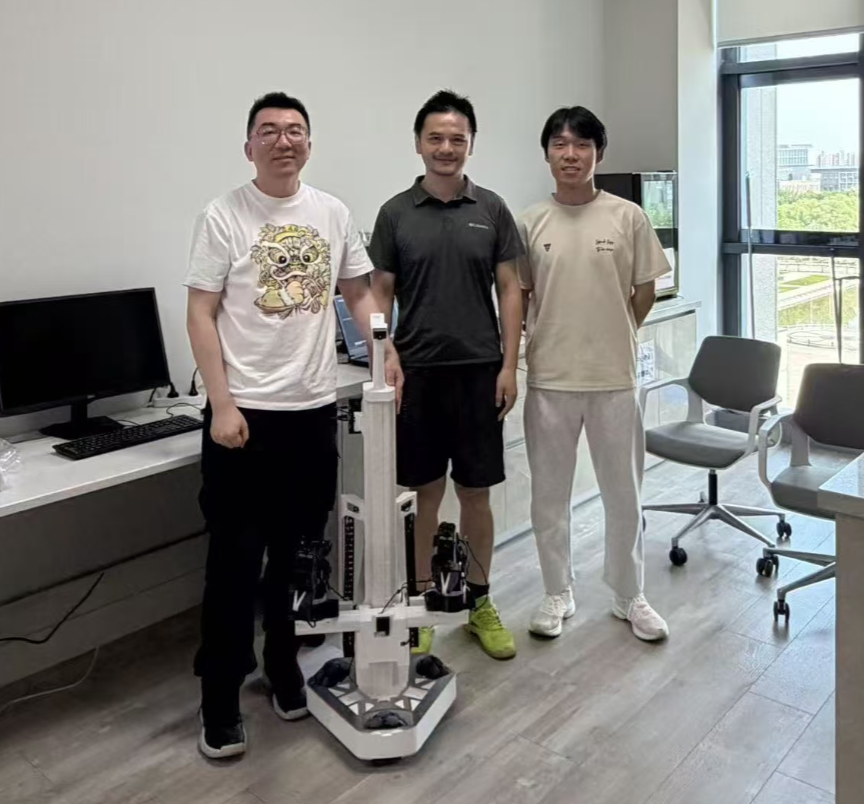
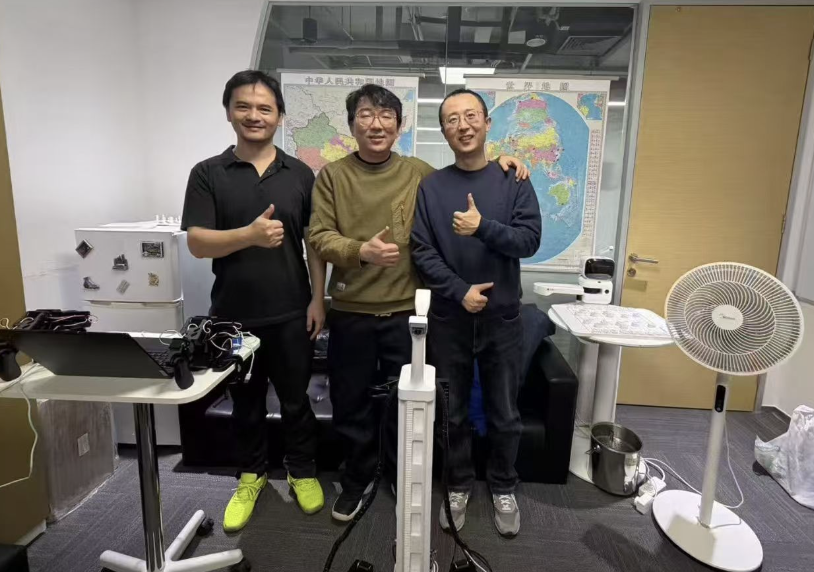
AlohaMini has entered many well-known universities and research institutes at home and abroad to support cutting-edge research on embodied intelligence and the practice of related teaching projects.
Cooperating customers: Beihang University, Tongji University, Nanjing University, University College London (UCL), Tech University of Korea, SenseTime, Intel India, etc.
2. Core advantages#
Frontier: Reproducing Frontier Algorithms#
The course focuses on imitation learning, an important technical route in the field of embodied intelligence. Students will not only learn traditional rule programming or remote control operation, but also understand how robots gradually gain the ability to complete tasks through human demonstration, data collection, and model learning.
Understand the robot structure, sensors, actuators and control systems.
Use the Leader arm to complete teleoperation tasks.
Learn how teleoperation demonstrations translate into images, robot status, and motion data.
Learn to judge data quality and understand the impact of data on model performance.
Understand the relationship between model learning and autonomous robot execution.
Experience the complete technical path of “human demonstration-data collection-model learning-autonomous execution” in the advanced course.
Pratt & Whitney: 10,000 yuan price#
AlohaMini reduces the equipment investment of hundreds of thousands of yuan for traditional dual-arm robots to a level of 10,000 yuan that is more suitable for educational scenarios. Based on Stanford University’s ALOHA open source technology route, students can gain access to mobile dual-arm robots, teleoperation and embodied intelligent task practice at a controllable cost.
Open: All software and hardware are open source#
AlohaMini2 software and hardware materials are all open source on GitHub, providing the basis for further development and secondary innovation.
Basic students can complete standardized robot tasks; advanced students can learn to read codes, adjust task parameters, transform task processes, and try to adapt robots to new scenarios and needs under the guidance of teachers. The course not only serves one experience, but also supports ongoing project development and event training.
Safety: low torque joint + two-level stall protection#
Compared with some humanoid robots that are large in size, have high joint torque and fast movement speed, AlohaMini is more suitable for close observation, operation and project teaching in educational scenes.
Large humanoid robots usually require stricter isolation space, operating permissions and professional supervision;
AlohaMini focuses on the design of low-torque actuators and two-stage stall protection, making it easier for students to participate under the guidance of teachers.
Adopt low-torque actuator design to reduce the risk of mechanical collision during classroom operations.
Equipped with two-level joint stall protection: when the current of the clamping claw exceeds 500mA, the clamping force is automatically released; when the current of other robot arm joints reaches 1800mA, the torque output is stopped, reducing the risk of clamping, stalling and equipment overload.
The course is equipped with fixed safety regulations, including work area boundary management, pre-class equipment inspection, startup and reset procedures, abnormal stop requirements and full teacher supervision.
Students operate in a team collaboration mode of 2-4 people, with one person controlling, multiple people observing and safety supervision, taking into account both learning participation and classroom safety.
3. Course details#
This course focuses on gradient layered teaching , special empowerment of official competitions, and first-line enterprise study The combined model gradually consolidates students’ embodied intelligence professional knowledge and practical abilities, comprehensively cultivates comprehensive scientific and technological literacy, and builds a one-stop scientific and technological growth channel for students from entry-level advancement, competition sprint to industrial awareness.
Hierarchical teaching system#
Gradient course content is set up for entry-level students, students with advanced abilities, and top-level competition students, taking into account universal teaching and elite competition training, accurately matching the ability levels of students at different stages, and achieving step-by-step improvement.
Basic layer (zero-based entry): Focus on the basic cognition of embodied intelligence, systematically learn the structural principles of robots and operating safety regulations, master basic practical skills such as Leader robotic arm assembly and teleoperation control, and build a basic framework for subject knowledge and practical capabilities.
Improvement level (advanced capabilities): Focus on polishing comprehensive abilities, delving into core contents such as robot task design, data collection, and data quality screening, and simultaneously cultivating students’ comprehensive qualities in project sorting, achievement display, and logical expression.
Advancement (elevating the competition): Connect the industry’s cutting-edge algorithms and embodied intelligence technology systems, focus on the National Youth Artificial Intelligence Competition (whitelist event) embodied intelligence track for special training, carry out targeted optimization of event tasks, and strive for high-level event results.
At the same time, a normalized transition mechanism for further studies has been established. Students in regular classes in the spring and autumn can smoothly connect to the selection class, preliminary training, semi-finals and finals training through layer-by-layer selection, forming a closed-loop talent training channel.
Whitelist event transition#
The AlohaMini robot is the designated equipment for the official finals of the Embodied Intelligence Track of the First National Youth Artificial Intelligence Competition. The courses strictly comply with the official competition rules of the year, and special preparation courses and training systems for preliminary rounds and finals are customized and developed.
Different from a single exam preparation, the core goal of the course is to rely on competition scenarios to systematically train students’ robot practical operations, task dismantling, logical thinking, teamwork, on-the-spot adaptability, etc., to promote learning and training through competition, and to lay a solid foundation for students to win competition honors and build core competitiveness.
Corporate visits#
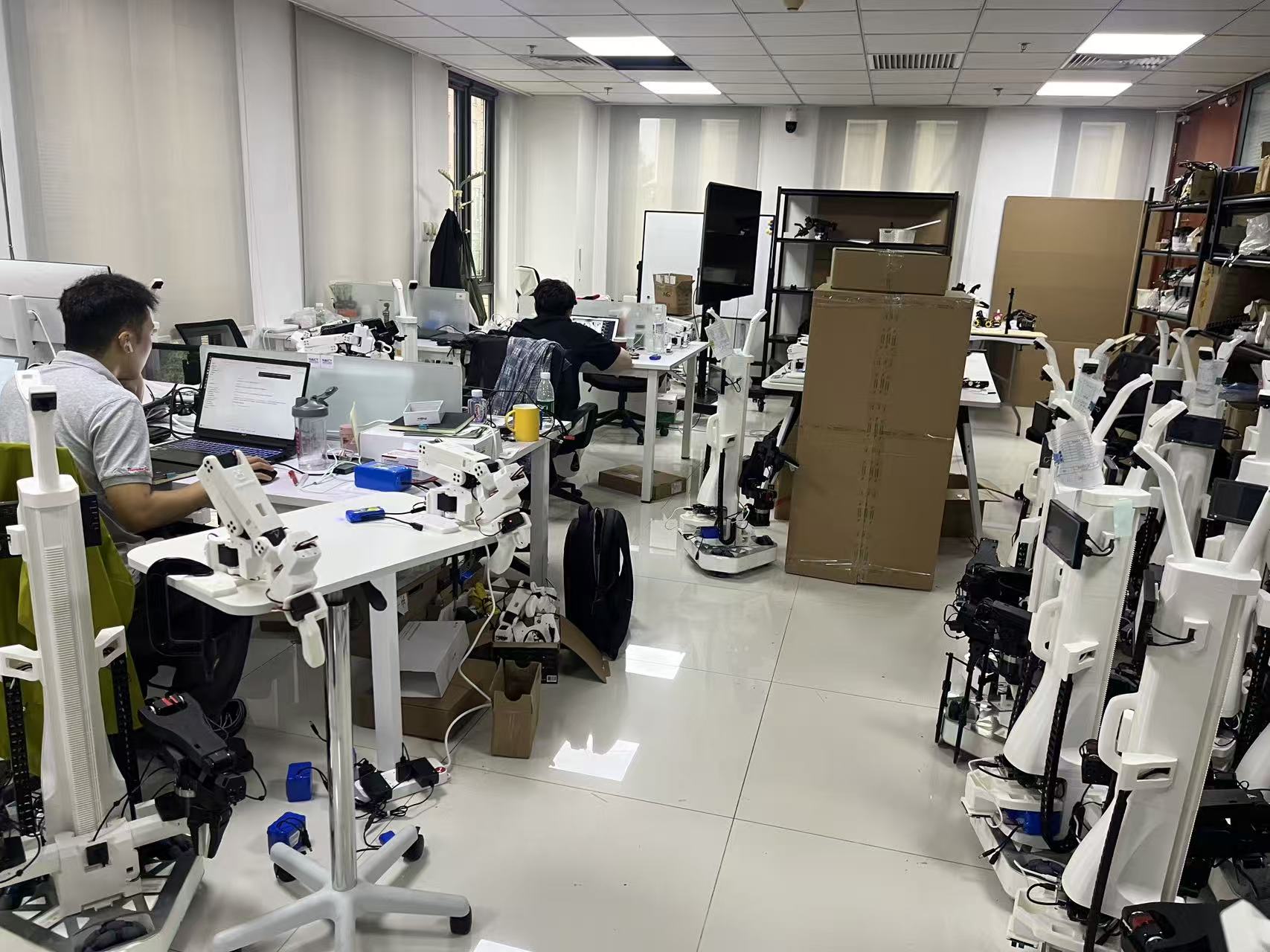
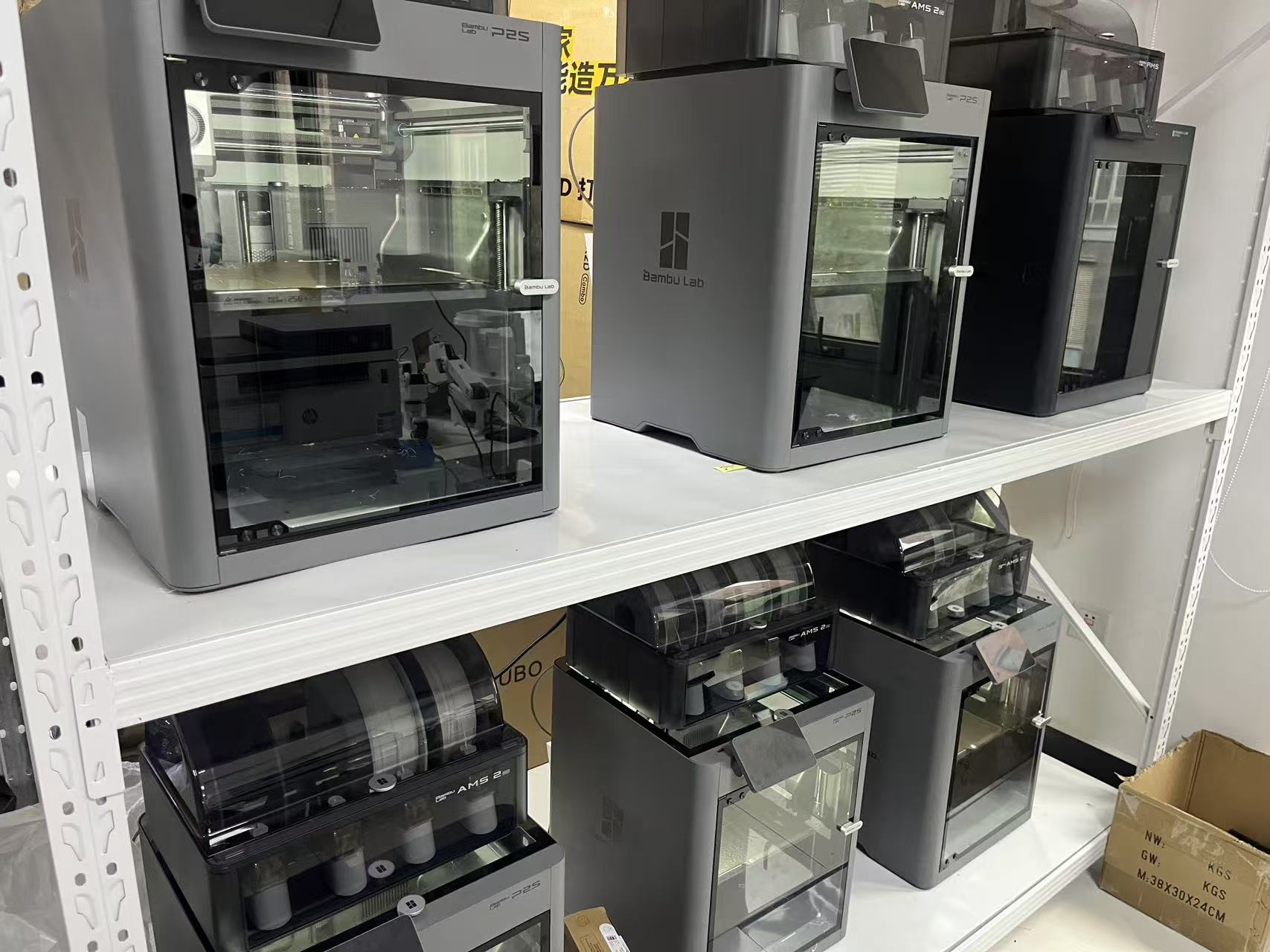
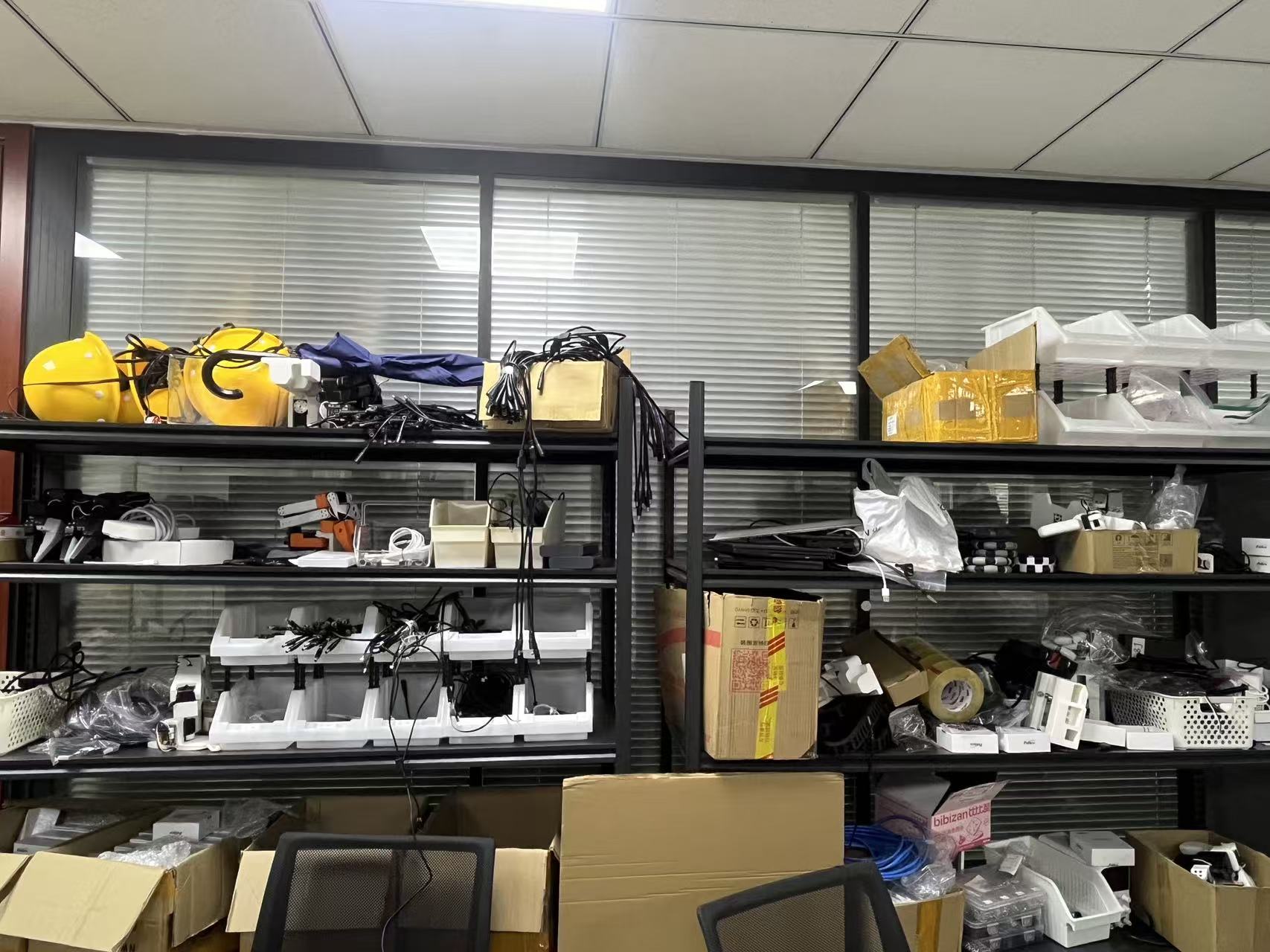
Organize students to visit the cross-dimensional intelligent robot R&D enterprise and immersively understand the entire process of robots from R&D design, assembly, system debugging to scene application. Students can watch real-life robot mission demonstrations at close range, communicate and learn face-to-face with front-line R&D engineers, intuitively experience the cutting-edge technologies, application scenarios and industry development trends of artificial intelligence and embodied intelligence industries, broaden their scientific and technological horizons, and build professional awareness.
Course sample#
(1) Regular courses in spring and autumn#
1. Course introduction#
AlohaMini Embodied Intelligence Interest Course
Relying on the AlohaMini mobile dual-arm robot, a 16-hour regular embodied intelligence course in spring and autumn is launched. The course has one class period per week, each class period is 60 minutes, and students with no basic knowledge can also participate in the study.
The course starts from the understanding of the robot industry, Aloha Mini structure and safety specifications, and gradually carries out popular science on Leader arm assembly, teleoperation, task challenges, data collection, data quality judgment and imitation learning. Students will understand the embodied intelligence technology closed loop of “human demonstration - data collection - model learning - robot autonomous execution” on a real robot platform, and complete group project design and results presentation.
Different from traditional robotics courses that focus on building blocks, fixed programming or simple remote control, this course allows students to come into contact with real mobile dual-arm robots, real tasks and real data, and build an intuitive understanding of current embodied intelligence technology and engineering practice capabilities.
Can be learned with zero basic knowledge
The course adopts a group collaboration model of 2-4 people, with each student taking turns taking on roles such as operation, assembly, safety, recording, and explanation.
Students with zero foundation can start with robot cognition, structural observation, basic assembly and teleoperation tasks, and gradually build up interest and operational confidence.
Students with competition potential can enter subsequent selection and special training to strengthen task dismantling, operational stability, teamwork and on-site demonstration capabilities.
Connected to the National Youth Artificial Intelligence Competition
Aloha Mini has been used as the machine for the finals of the Embodied Intelligent Track of the first National Youth Artificial Intelligence Competition. The spring and autumn courses focus on basic training of the core abilities required for this type of competition, including robot structure cognition, teleoperation control, real task execution, data understanding, project design and team presentation.
After the course, students can be selected based on their operational ability, project performance, collaboration ability and expression ability to enter the preliminary special training. The preliminary competition course will focus on task understanding, time-limited operations, on-site debugging, project display and simulated competition training based on the official competition questions and rules of the year.
Among them, senior primary school students mainly focus on embodied intelligence enlightenment, engineering practice and ability reserve; middle and high school students can further connect competition selection and preparation training, forming a continuous path from interest cultivation to competition advancement.
Course Outcomes
Upon completion of spring and fall courses, each group will form:
A live demonstration of the AlohaMini robot mission.
A task flow chart or project proposal.
A video demonstrating the robot’s mission.
A team presentation or defense presentation.
Students will gain comprehensive improvements in robot operation, engineering thinking, scientific inquiry, teamwork and artificial intelligence literacy in real projects, and will also lay the foundation for subsequent participation in embodied intelligence competitions and scientific and technological practice activities.
2. Lesson plan outline#
Spring and Autumn|AlohaMini Embodied Intelligence Interest Class (16 lessons/1 hour/week)
(2) Preliminary training|National Youth Artificial Intelligence Competition#
1. Course introduction#
Course Introduction
This course is intended for junior high school and high school students who plan to participate in the embodied intelligence track of the National Youth Artificial Intelligence Competition, as well as students who have completed the Aloha Mini spring and autumn basic courses and have basic operational abilities. The course is oriented towards real competition tasks and relies on the AlohaMini mobile dual-arm robot to help students advance from “being able to operate robots” to “being able to complete robot projects around competition problems”.
Through layered training and group collaboration, students will gradually master hardware practical operation, teleoperation teaching, ROS communication and basic programming, data collection, AI model training and project development, etc., laying the foundation for preliminary tasks, project demonstrations and subsequent semi-final training.
Course Learning Path
Cognitive safety → Hardware practical operation → teleoperation teaching → Code control → Data collection → AI training → Iterative optimization → Creative implementation
Introduction to robots and safety regulations
Teleoperation and teaching task training
ROS skills learning
Data collection and AI model training
Event project development and preliminary competition simulation
Course Outcomes
After completing the preliminary competition preparation course, each team will form:
A set of robot task plans that match the target event.
A reproducible AlohaMini task project.
A task flow chart, procedure document, or data record.
A project demonstration video.
A simulation preliminary results and optimization record.
The course will be dynamically adjusted based on the official competition questions, registration requirements and scoring rules of the year, with a focus on improving students’ real-life operational abilities, engineering practice abilities, teamwork abilities and on-the-spot debugging abilities, so as to prepare for participation in the preliminary competition and subsequent advancement of the competition.
2. Lesson plan outline#
Preliminary Round|National Youth Artificial Intelligence Competition Preparation Lesson Plan
4. Delivery list#
After opening a course, you will receive the following support:
Standardized curriculum system, lesson plans and teaching procedures
Teaching PPT, task sheets, evaluation forms, student handbooks and safety regulations
AlohaMini equipment, accessories, software environment and pre-class debugging
Student achievement display plan and video shooting suggestions
Event information tracking and training support
Corporate study activity plan and engineer exchange resources